Aristotle Roufanis

A meticulously crafted body of work that has been in the making since 2020, Worlds Apart shifts the artist’s focus from vast citiscapes to immersive, hyperrealist digital environments, in an attempt to explore more intimate perspectives on the experience and emotional complexity of his subject matter.
Worlds Apart
In the vast expanse of modern cities, the paradox of social isolation intensifies—how can we feel so alone amidst millions? This realisation is central to my work, an ongoing exploration of loneliness, both personal and societal. My practice asks difficult but vital questions: “How is it possible to be alone in a crowd?” and “What does it mean to be connected, to belong, in an increasingly fragmented world?”
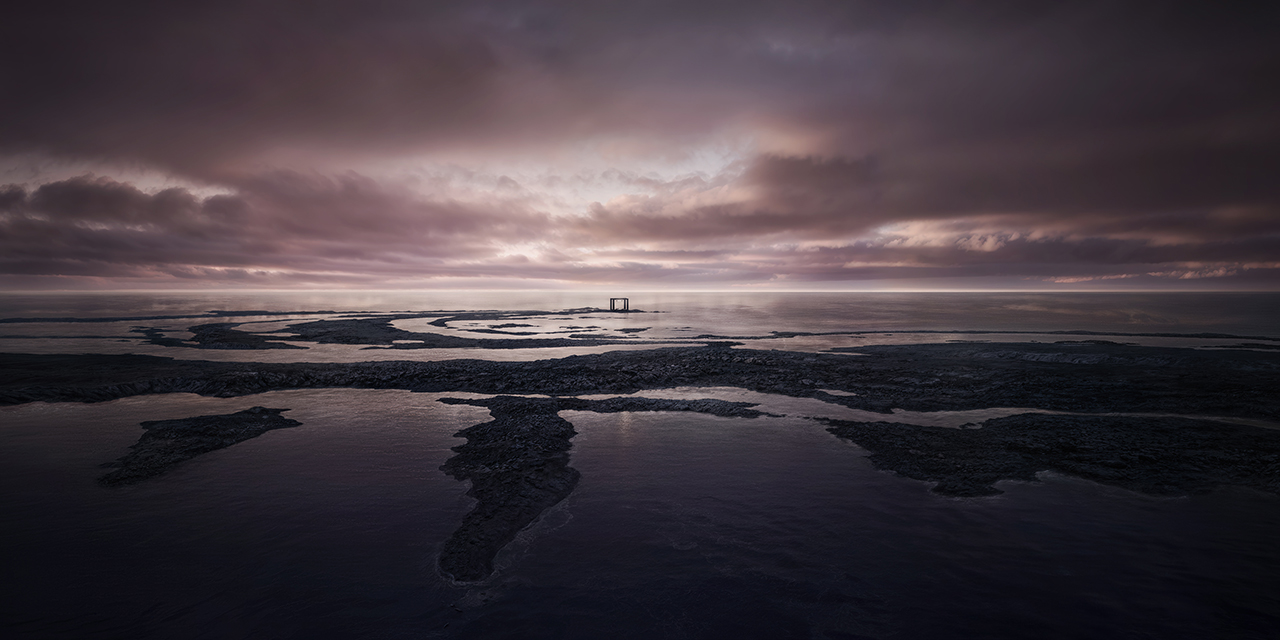
Worlds Apart is a new series of visual works that continue Aristotle Roufanis’ exploration of social isolation and urban loneliness.
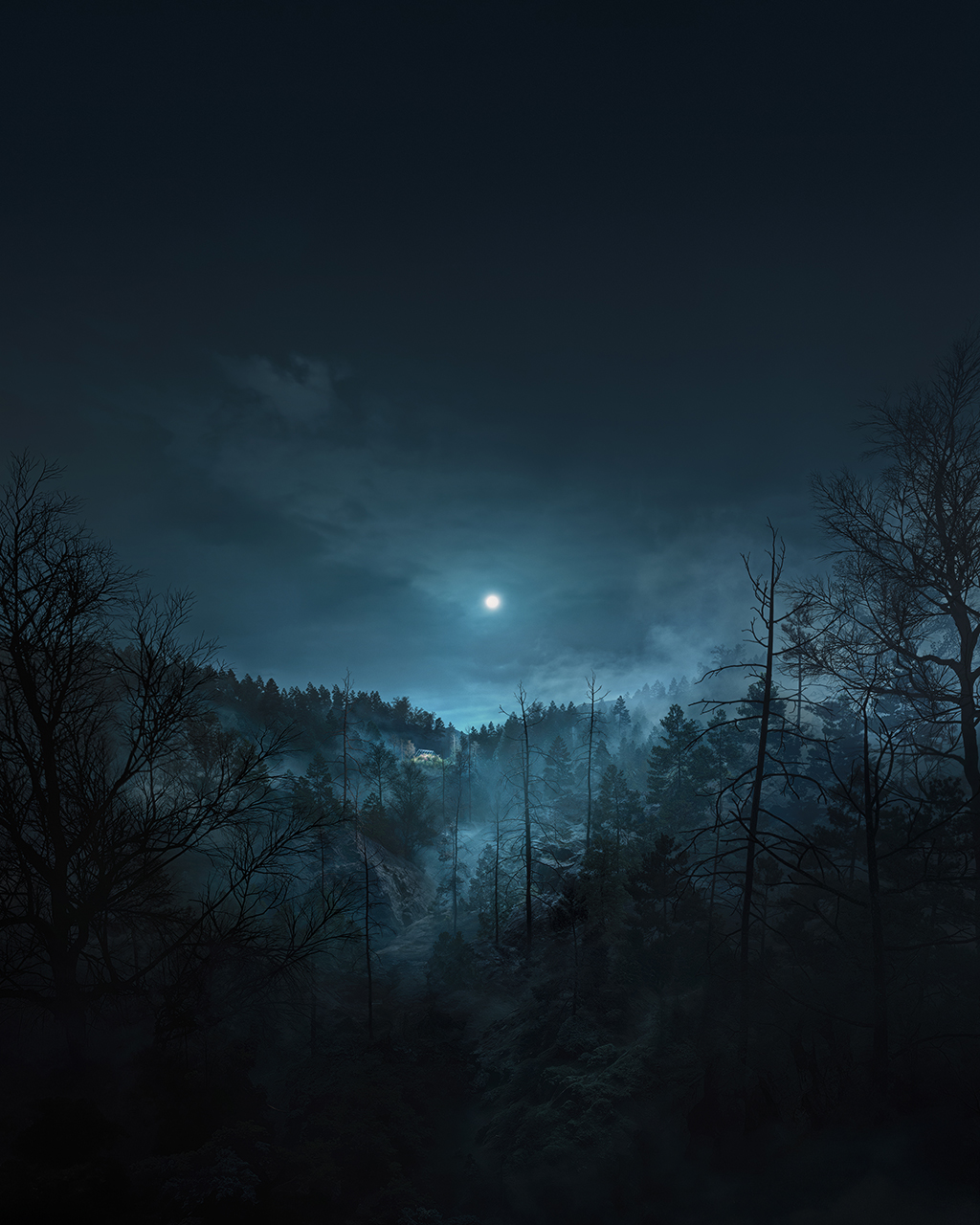
Both projects : Alone Together and Worlds Apart are united by Roufanis commitment to immersive storytelling.
Whether through large-scale photographic prints or interactive installations, his intention is to place the viewer at the center of these narratives. Roufanis utilise digital media as a tool to subvert the alienating powers of technology, drawing viewers into visceral experiences that resonate with their own sense of being, identity, and belonging. By inviting the audience to confront these universal yet deeply personal themes, he hopes to spark a dialogue on the complexities of contemporary life, loneliness, and what it truly means to be connected.
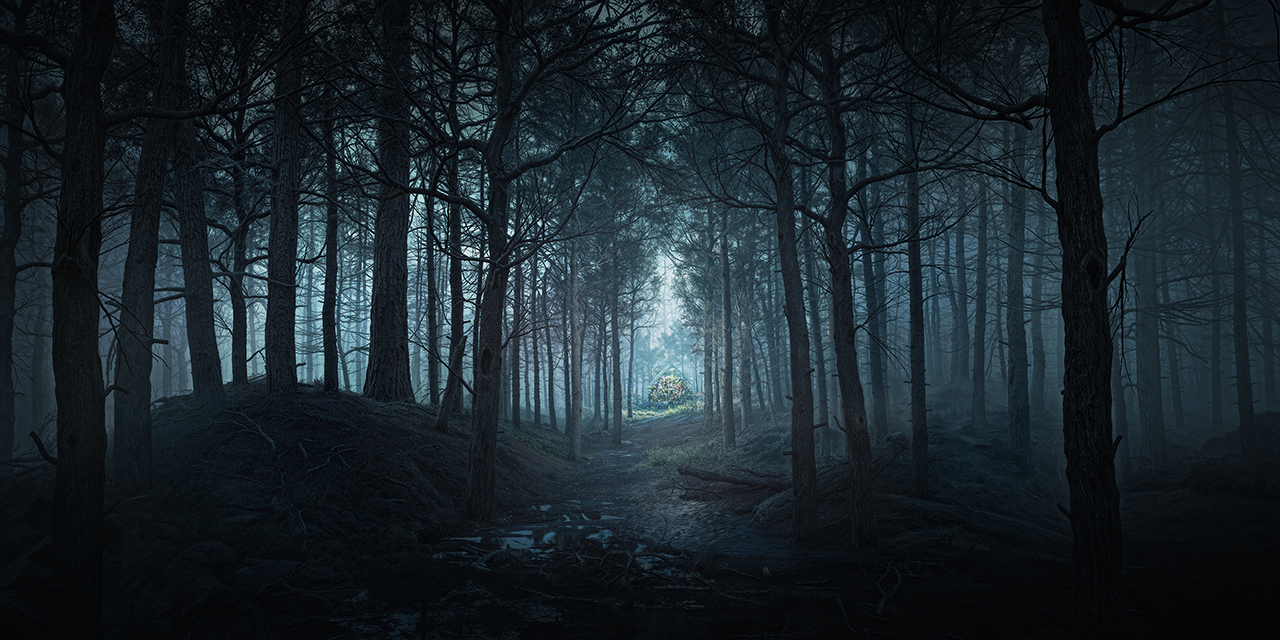
The extreme level of detail and scale in Worlds Apart enhances the viewer’s sense of immersion
Worlds Apart currently consists of three immersive environments — each an expansive, uninhabited natural landscape containing a single, man-made transparent structure. Within these glass enclosures, highly detailed, familiar scenes unfold, each referencing a specific experience of social isolation. These scenarios are envisioned as taking place in worlds that exist parallel to our own, an idea that lends the series its title.
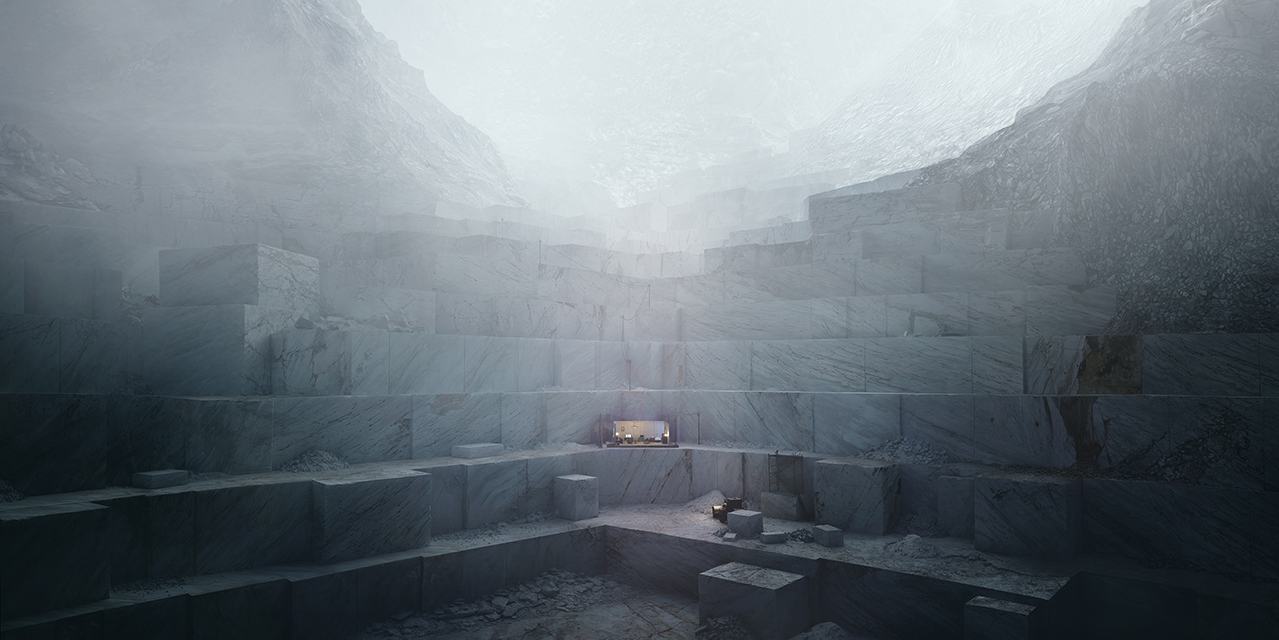
An abandoned marble quarry
What was once a site of intense activity and production of valuable resources is now still and quiet, the marble veins exposed along the carved, staggered terraces. Standing in the middle of the scene like a theatrical set is a depressing TV room of an elderly care home, fully furnished down to a ceiling fan turning miserably above the worn-out seating and the dull glare of the TV set. A chair is placed outside the set and at a distance, signifying a detached vantage point from where one can observe but not engage with what’s happening.
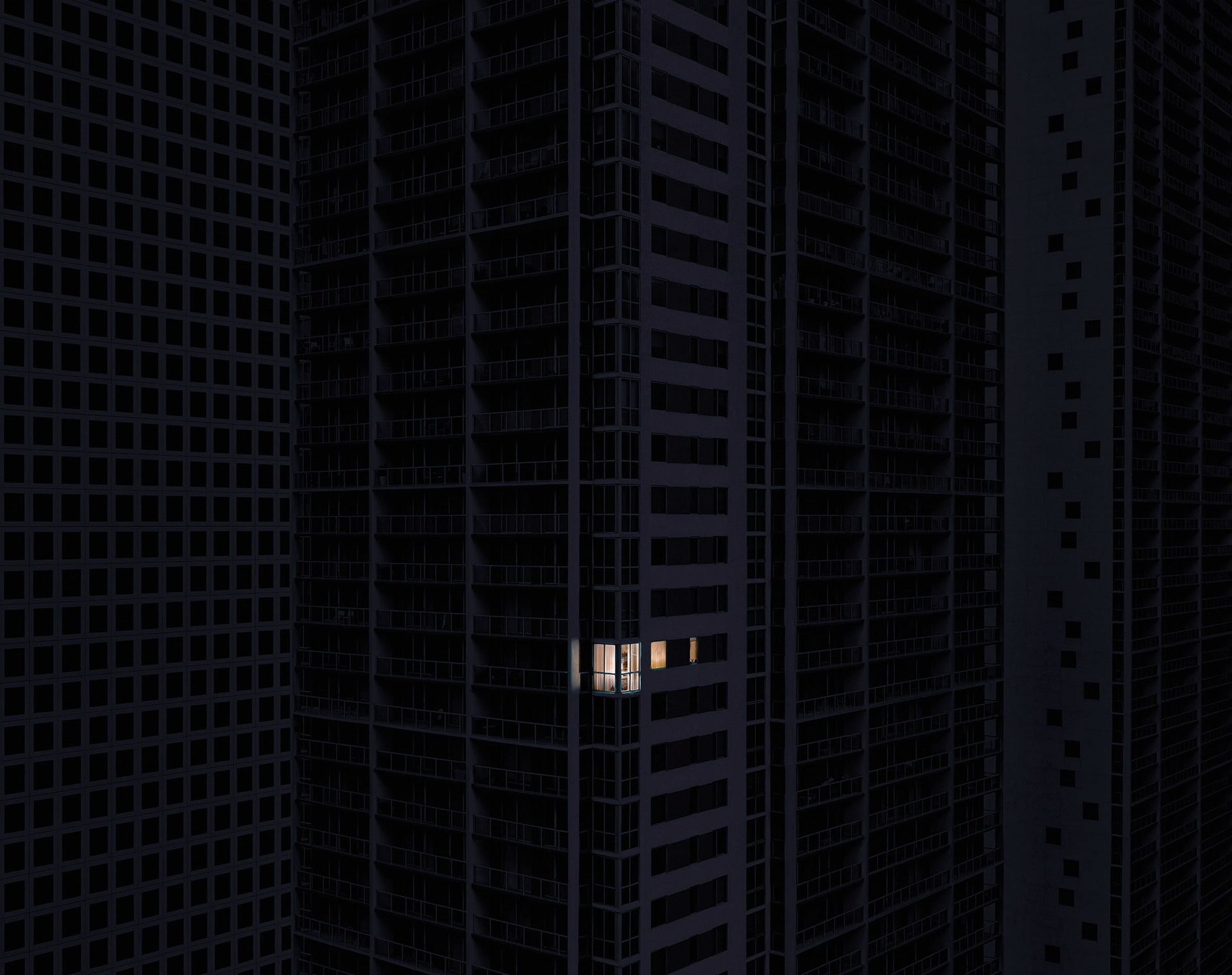
Alone Together is an ongoing photographic project by Aristotle Roufanis, for which the London-based photographer takes photos of large metropoles in a way that only tiny, individual apartment lights are visible. Hardly recognisable in the dark, some of the world’s most famous metropoles such as London, Paris, Miami and Athens are transformed into sprawling canvases of anonymity, where countless people have decided to make their home but hardly connect to each other. The project takes this phenomenon of social alienation in urban centres as a starting point, and adds a positive, optimistic twist to it.
Alone Together
“The bigger the city, the lonelier we feel”, comments Aristotle Roufanis, who recently moved to London from another bustling urban centre, namely his hometown of Athens, Greece. “In a big city, we are very efficient in covering all our consumerist needs, but we forget our need for companionship. It is important for people to understand that although lonely, they are not alone. Individuality does not equal to alienation.”
For the artist, the individual lights shining in the city at night symbolise persons stranded in the dark void of a detached world. By taking photos of cities at dusk and dawn, Aristotle Roufanis points out where life is in the big city, since in the ab¬sence of light pollution, only the places where people live are illuminated. Even in photos where recognisable landmarks can be seen, like in the case of Paris, the photographer literally shifts the spotlight from the public to the private, which in turn brings attention to the distance between the isolated lights seen in the dark.