Photography

Approche ~ 12 tm 16 November

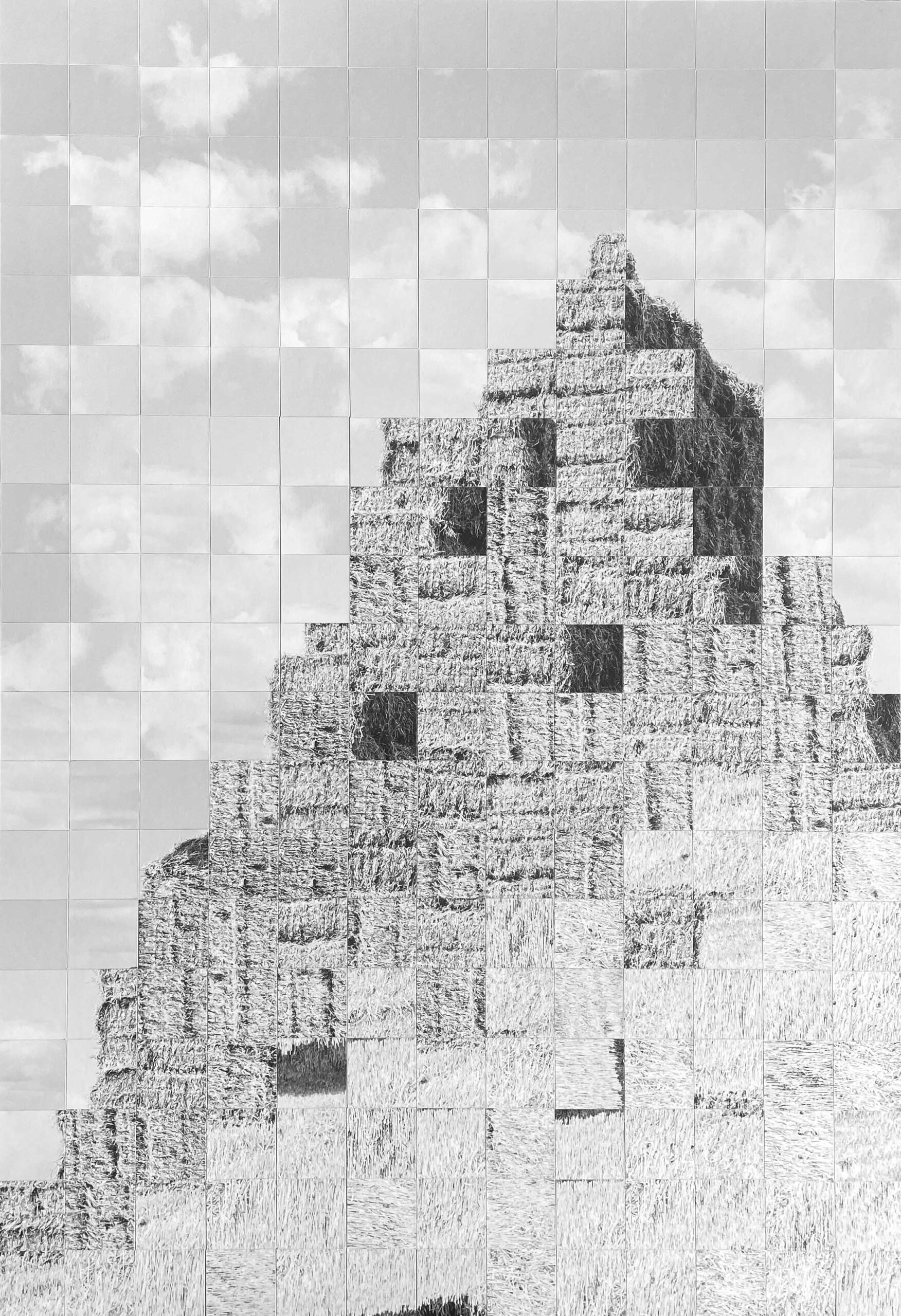
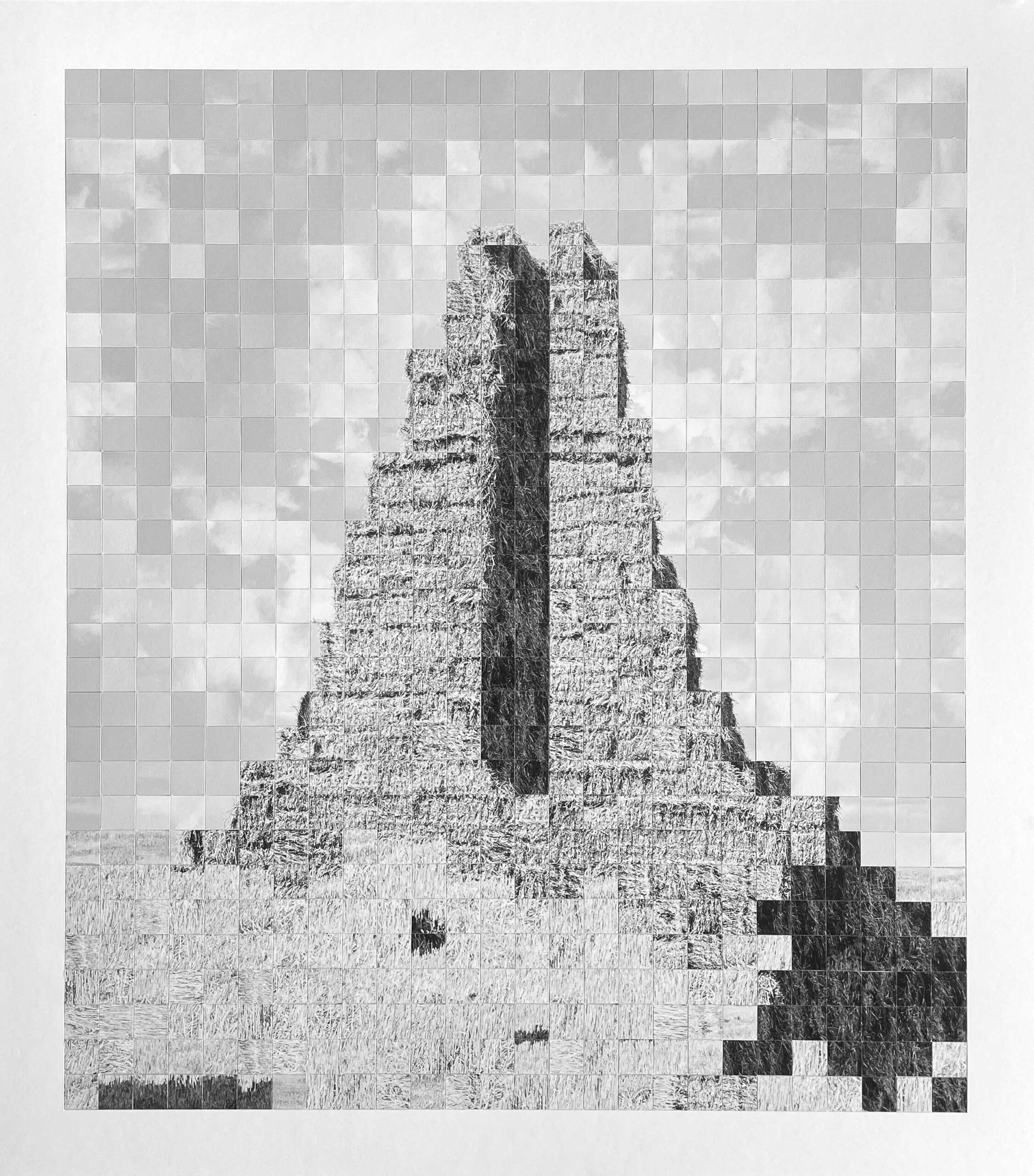
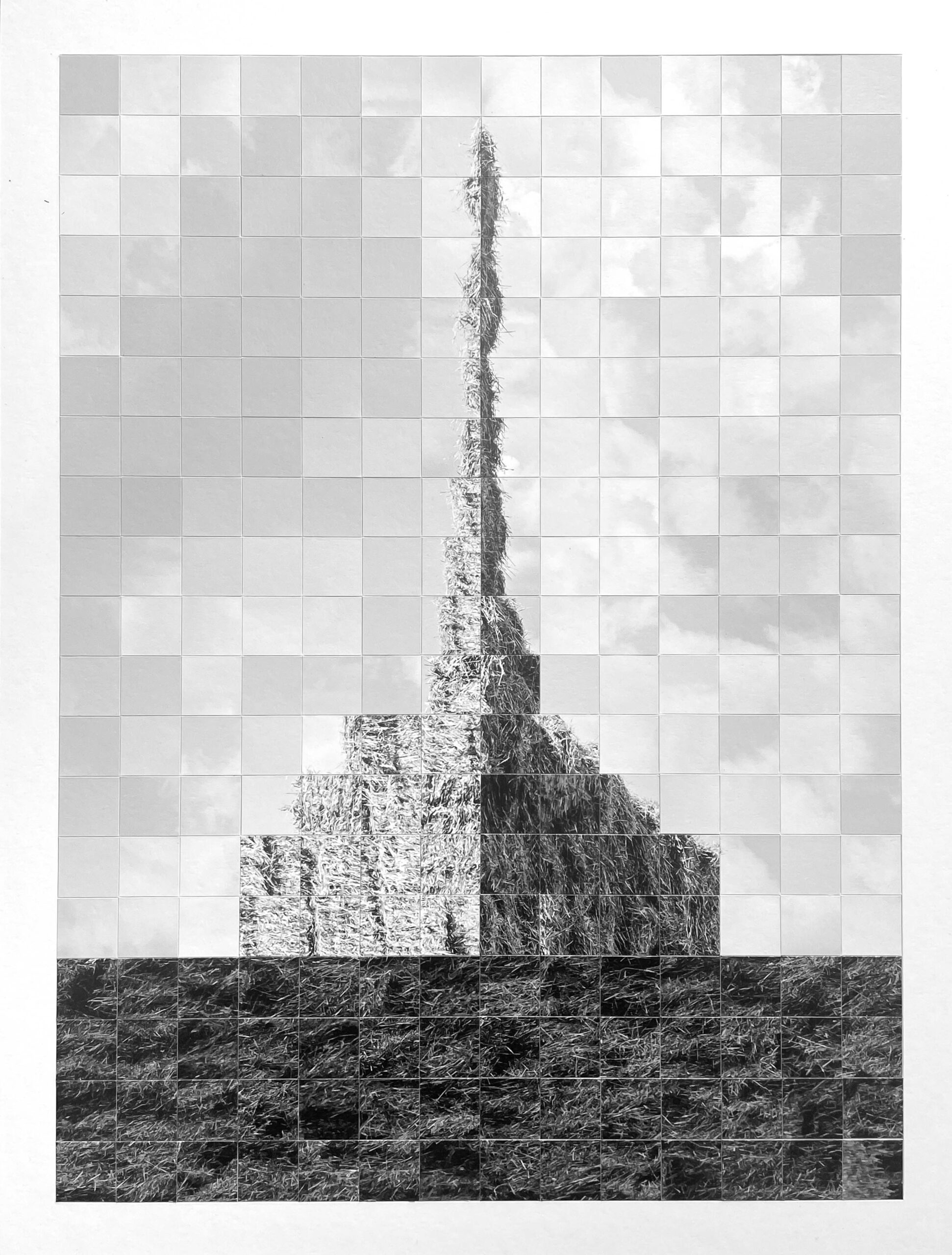
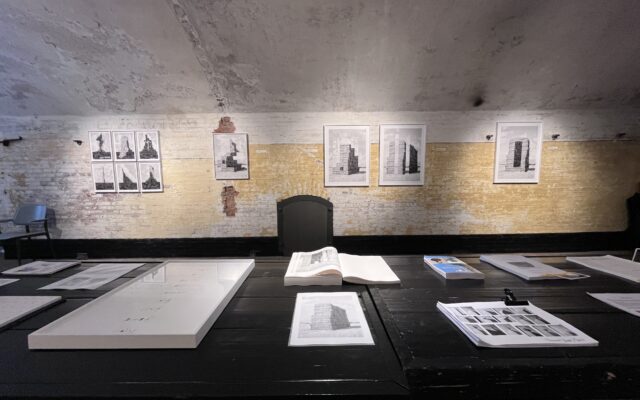
Salon Approche 9th edition shows the returning of the haystack to France. Driven by the return to its place of birth, the original haystack image has mutated into shapes that reference the collective memory of French ‘monuments’.…
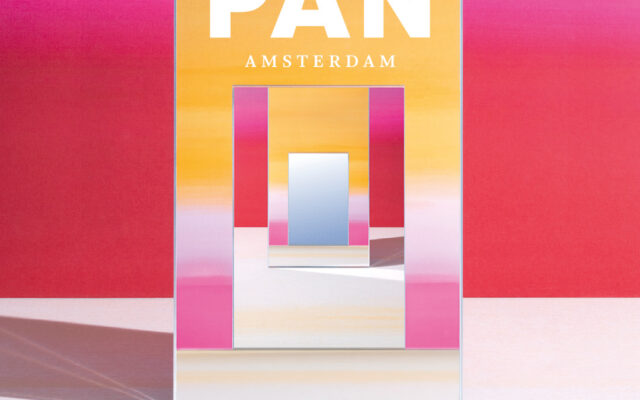
PAN ~ 2 tm 9 November

The fair’s 38th edition – with works by a variety of artists from the gallery
Paco Dalmau – Saidou Dicko -Sandra Kantanen – Anni Mertens – Margriet Smulders – Sodalime

Art Island ~ 6 tm 8 June

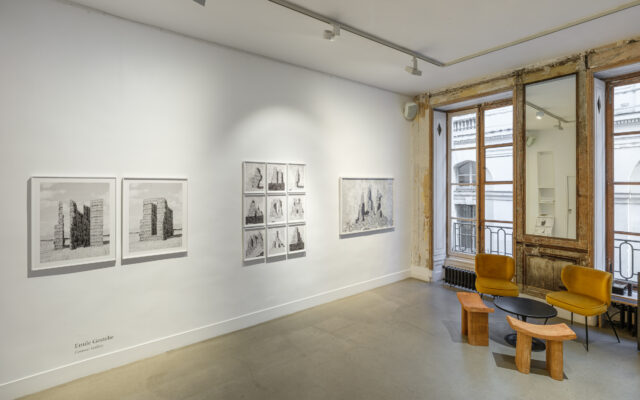
The fair’s 4th edition – with work by E.Gostelie
“Mutations, Monuments and Myths” addresses the human tendency to accumulate chaotic,
random elements and turn them into structures of power and worship.

40 years an artist

Margriet Smulders —

40 years an Artist

   Solo show

on view – 18 July 2025

a selection of  PRESS
Focus Magazine – 40 jaar kunstenaar – 27 juni 2025
The Guardian – Its a knock out–  14 may 2025
The Wick Culture –  16 May 2025
  • 1999 – 2003 – Sirens & Leda – The early beginnings of her career and floral still lives

  • 2005 – 2009 – Get Drunk & Amor Omnia Vincit & Bloody Hell  A deeply personal period surrounding her open-heart surgery

  • 2010 – 2013 – Come to me & This gives life to me The time of her mother’s passing and the transition to digital photography

  • 2014 – 2016 – It shines it whispers & when the hurly-burly’s done – Her inspiring move and journey to Indonesia

  • 2017 – 2020 – Life size nature – The start of her work with biological flowers and use of more different flowers

  • 2020 – 2024 – Rococo & Secret Garden – A celebration of life and 25 years as a still life photographer

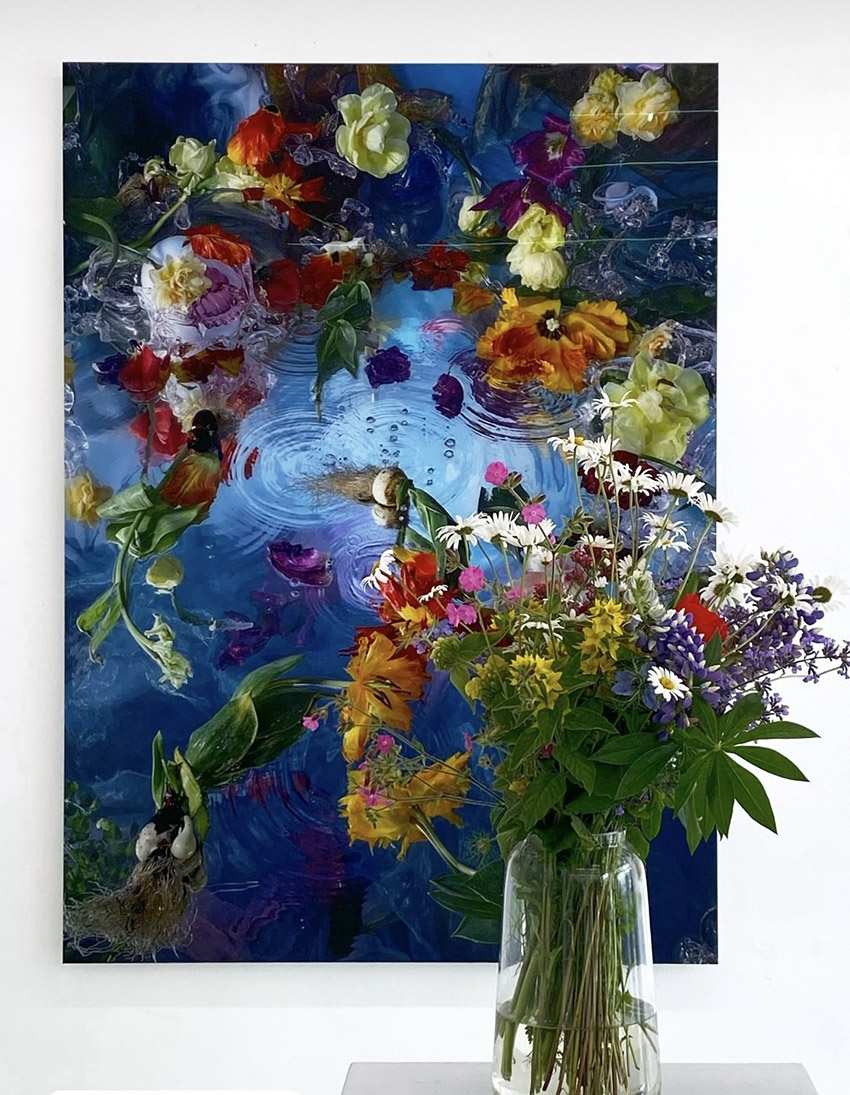
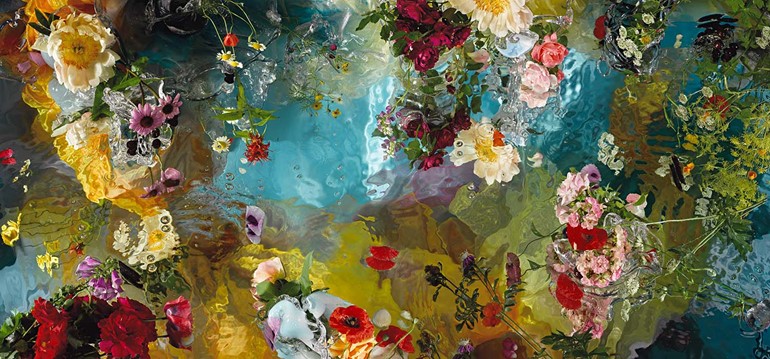
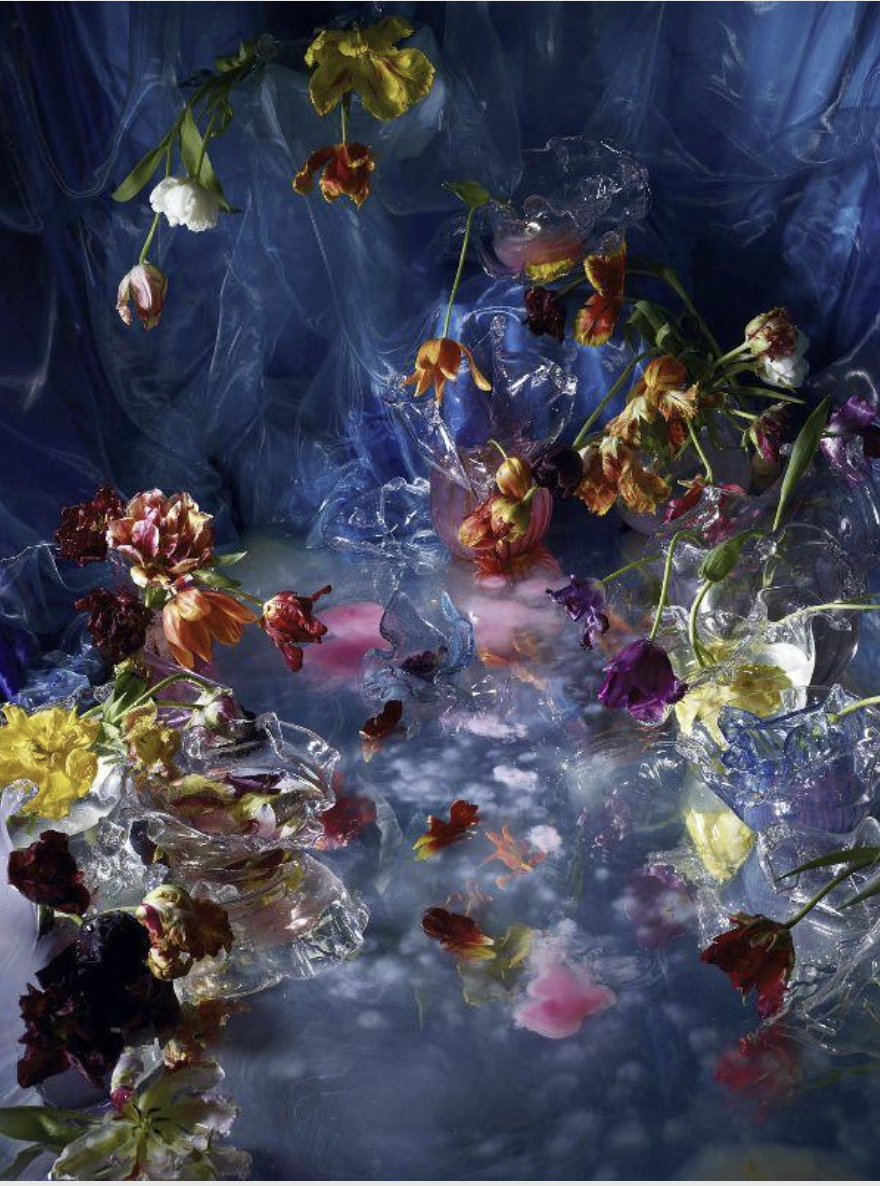
The central subject in Smulders’ photos are flowers. Margriet, who is named after a flower herself, has been fascinated by flowers and plants since childhood. These are always present in her art; sometimes incorporated as an element in a performance or space, sometimes – as in the works exhibited here – in all their glory. For the artist, flowers symbolize the course of life and the beauty of existence.

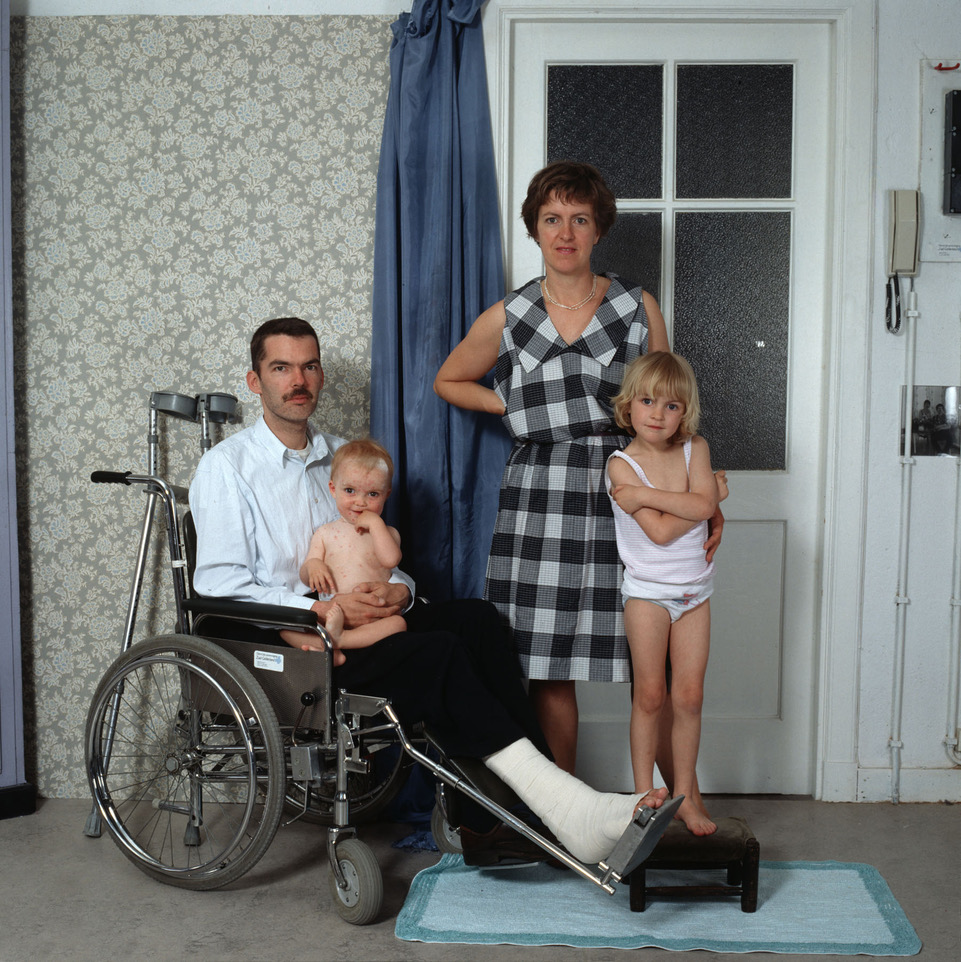
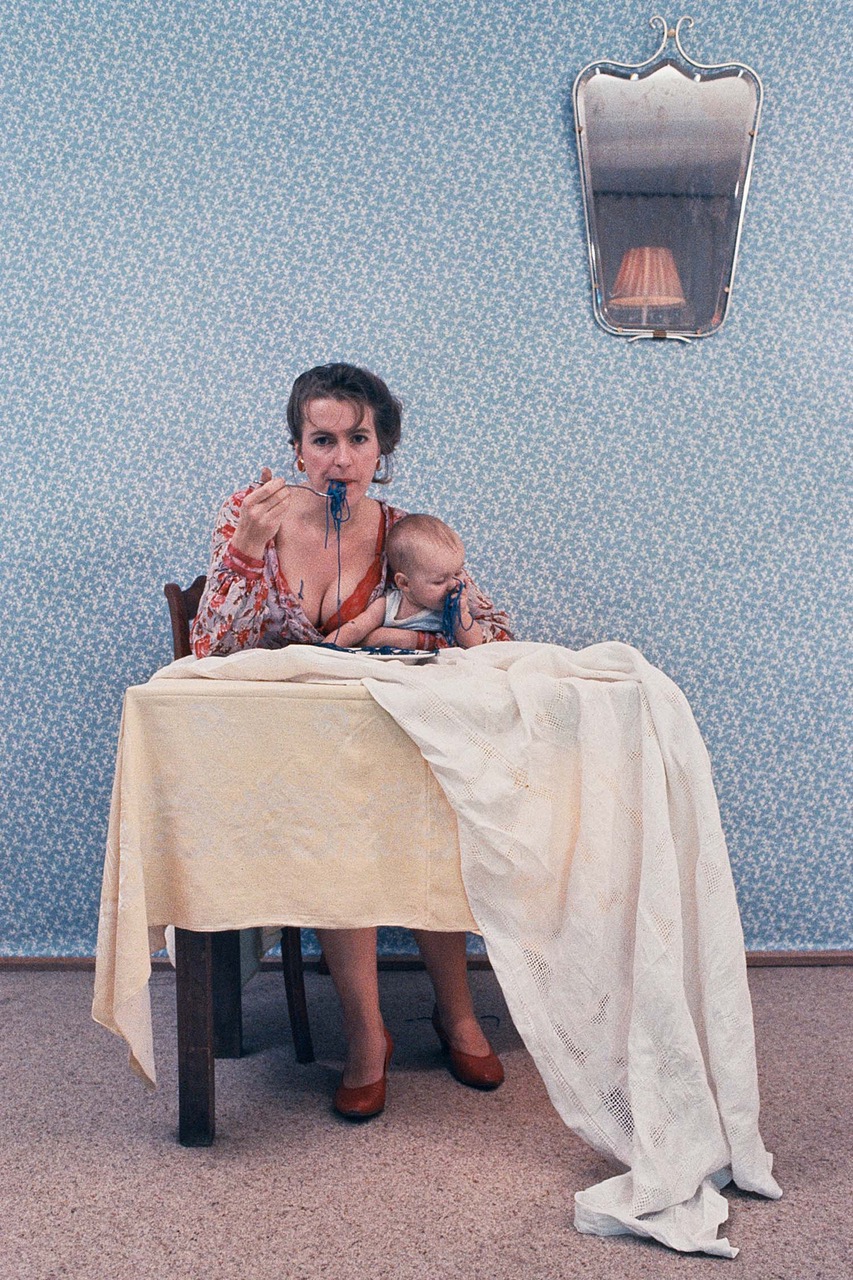
The flowers in Smulders’ work have another meaning. She makes her photos and series from a strong feminist perspective. From the Family / Maternité series from the period 1987-1995 to the photo series Uit de cocoon (1999) made in India for ICCO and WORK (1998) commissioned by Randstad, reflection on the position of women is central. This perspective is also present in her recent work. Initially, Smulders depicted abstracted feminine forms in her photographic flower still lifes with the flowers themselves. Over the years, this reference has become less direct and femininity lies mainly in the beauty, sensuality and fragility of the flower.

Smulders’ work can also be placed within a long tradition that uses flowers as a subject. In the seventeenth century, a period from which Smulders draws a lot of inspiration, the flower still life flourished as a popular theme in painting. Examples include the beautiful flower still lifes by Rachel Ruysch (1664–1750) and

Photo Londen ~ 14 tm 18 May

The Fair’s 10th anniversary presents the best historic and vintage works while also spotlighting fresh perspectives in photography. Along with a selection of the world’s leading photography dealers and galleries, Photo London’s Discovery section is dedicated to the most exciting emerging galleries and artists.…

“Mutations, Monuments and Myths”

“Mutations,

Monuments and Myths”-

Emile Gostelie

Open till 17 May in the gallery

Upcoming:

Art Island —–
6 – 9 June

“We speak so much about memory because there is so little of it left”.          Pierre Nora

Gostelie’s work asks: What remains when the structures we revere are reshaped? What new myths do we construct in their place?

Emile Gostelie’s (1957)  work operates at the intersection of conceptual art, philosophical inquiry, and Romanticism.

His work engages with visual and architectural traditions while exploring the intricate relationships between perception and myth.

Gostelie’s work may be vaguely placed within the greater tradition of conceptual art in which the image itself succumbs to the process of creation. Much like Romantic artists such as Caspar David Friedrich – who sought to capture the awe-inspiring forces of nature and the sublime – Gostelie uses his practice to address the elusive boundaries between real and imagined. On the other side of the spectrum, his work alludes to Anselm Kiefer’s monumental and abrasive works that symbolize the role that myth, history and philosophy play in the transience of our existence. “Mutations, Monuments and Myths” addresses the human tendency to accumulate chaotic, random elements and turn them into structures of power and worship.
The artist’s processwork is inspired by Ludwig Boltzmann’s (1844-1906) theories on entropy, particularly the idea that disorder and randomness are fundamental to natural processes. Boltzmann demonstrated that unbeknownst to us, tiny particles within objects are constantly rearranging into random micro-configurations, as long as these variations result in the same overall macro-configuration, the alteration is imperceptible. By the same token, his work indicates how micro-configurations of form may not seem to change the macro-configuration of the object: the haystack remains a haystack. Just as entropy undermines the persistence of order, the haystack challenges the notion of fixed memory as it is subject to transformation through those who remember it.
The monumental-like shapes reference an inherent drive to submit to myths and mythical monuments. The seductive and almost sublime forms created by the haystack propose a juxtaposition between truth and myth, image and reimagination, reality and photography. Gostelie’s images are deliberately ‘constructed’ from elements that are ‘real,’ yet the resulting composition is something we recognize as fictional but still want to accept and believe in. The evolution of the primary image mirrors Gostelie’s assertion that humans are inclined to believe stories that, although constructed, exist as cohesive

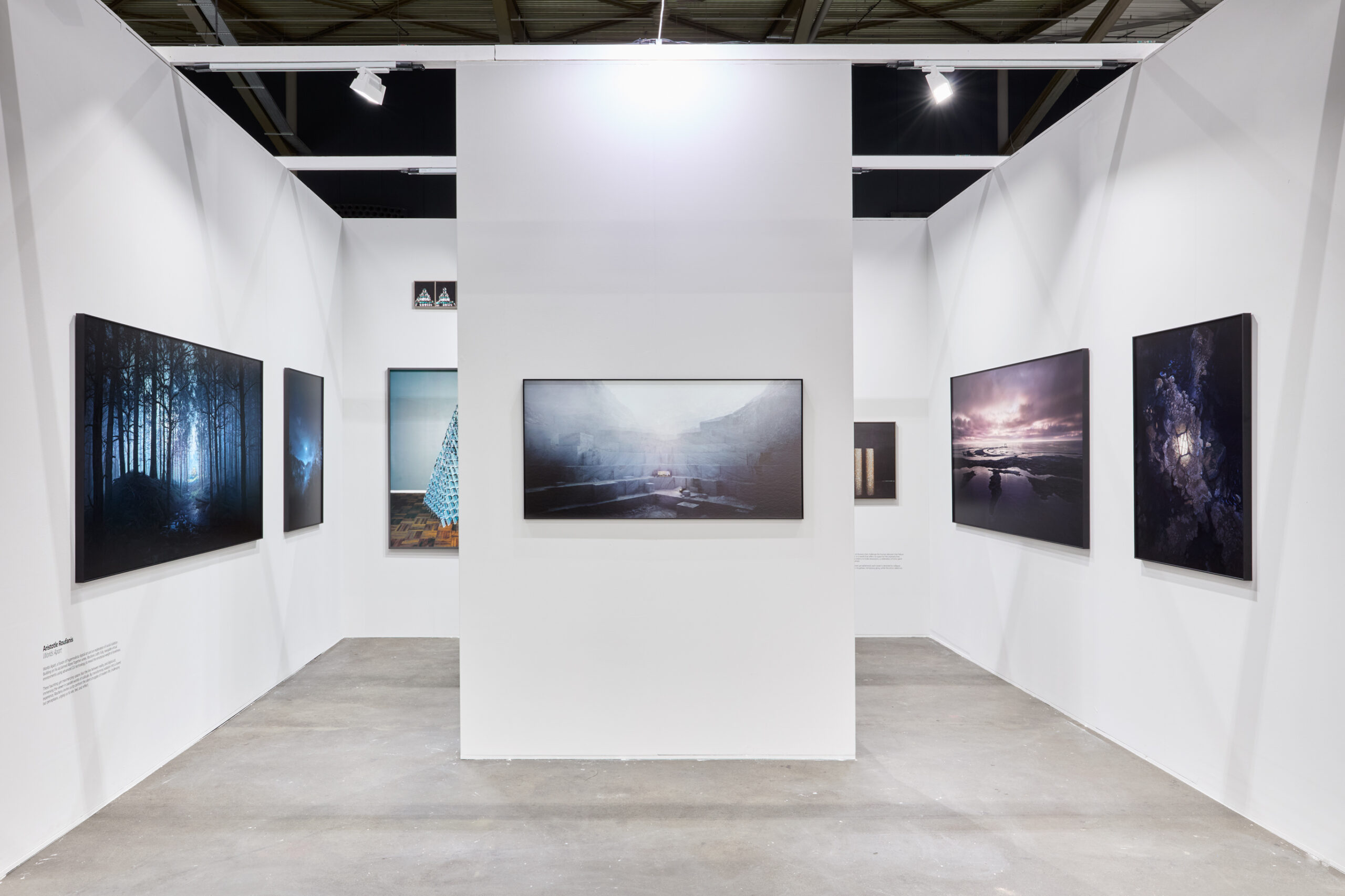
Towers & Worlds Apart


                                                and

Towers –
Lana Mesic


Worlds Apart –
Aristotle Roufanis

27 – 30 maart 2025
Art Rotterdam

In the gallery:

Hope – Maarten Vromans


Sunday we host an Artist Talk with
Nesli Gül and Maarten Vromans at 14.00


  • Open all week :
    Thu to Sunday from 12.00 -18.00

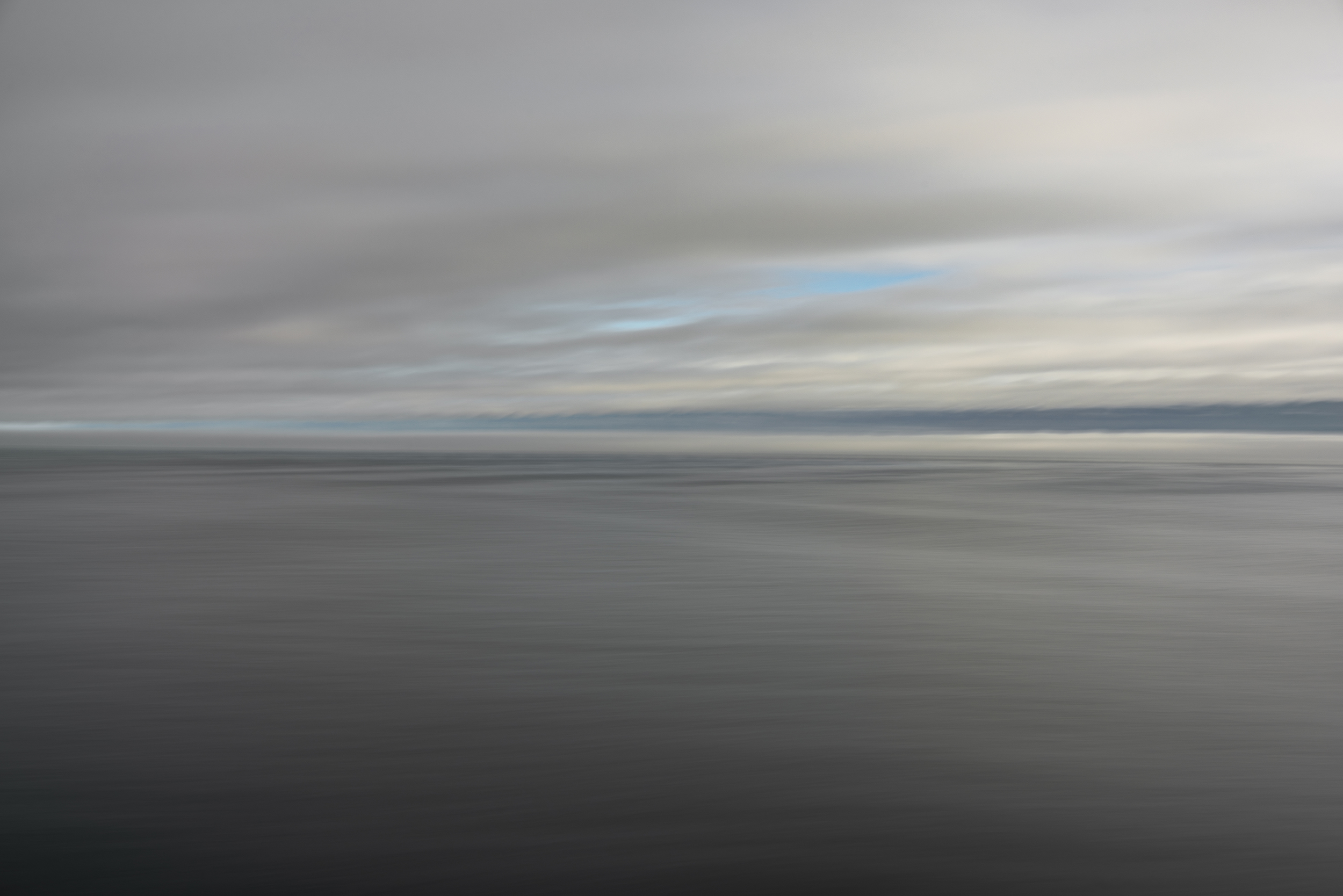
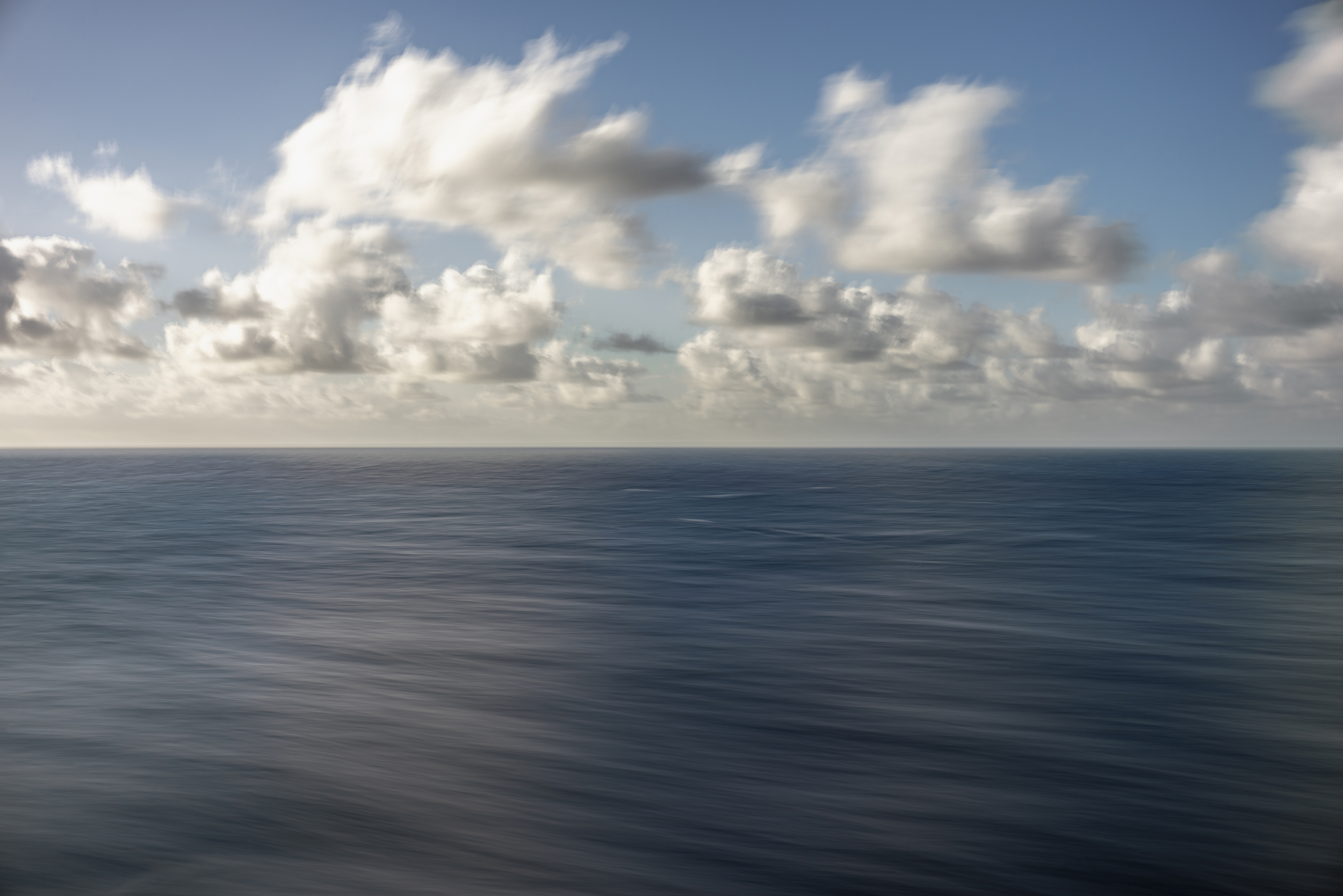
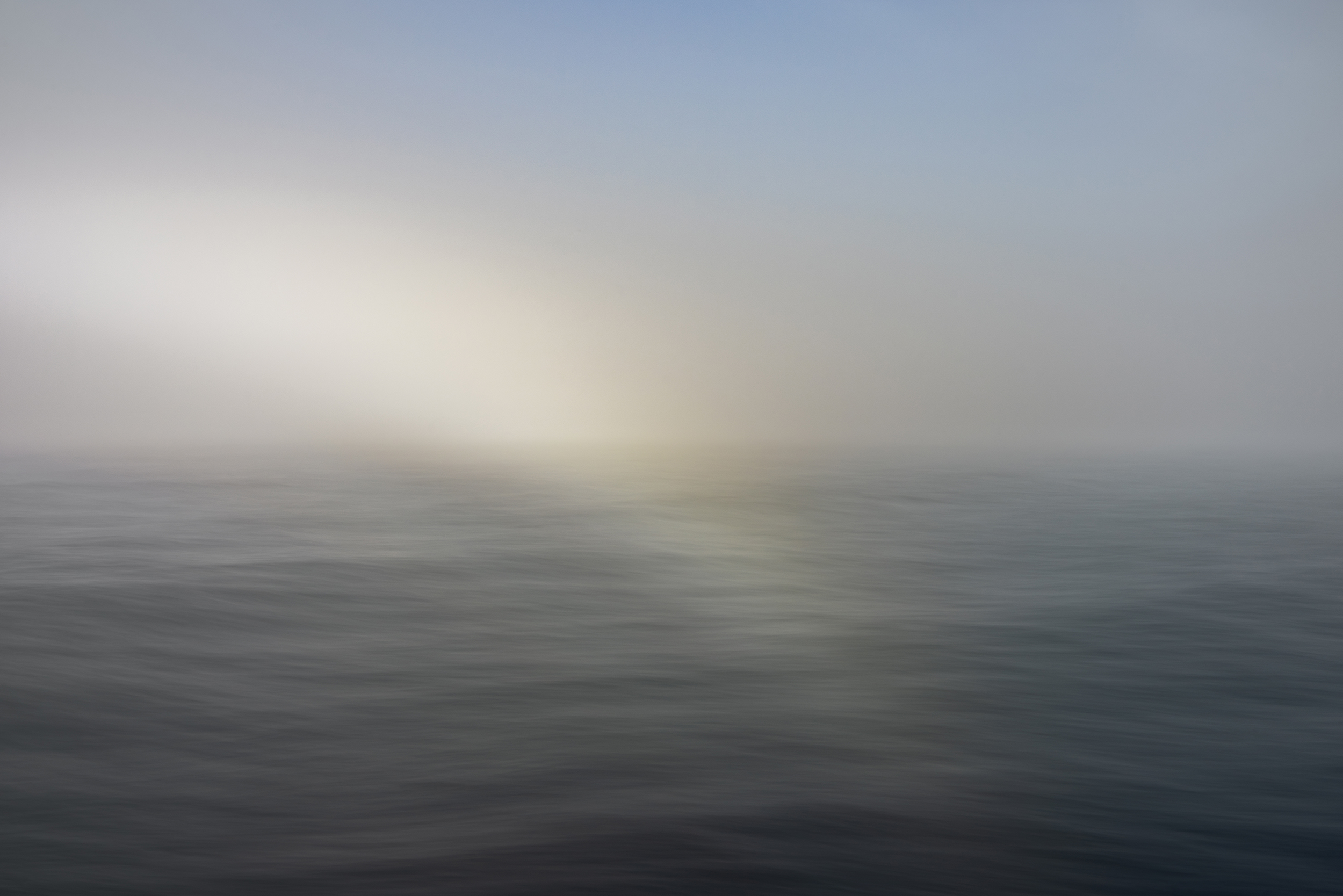
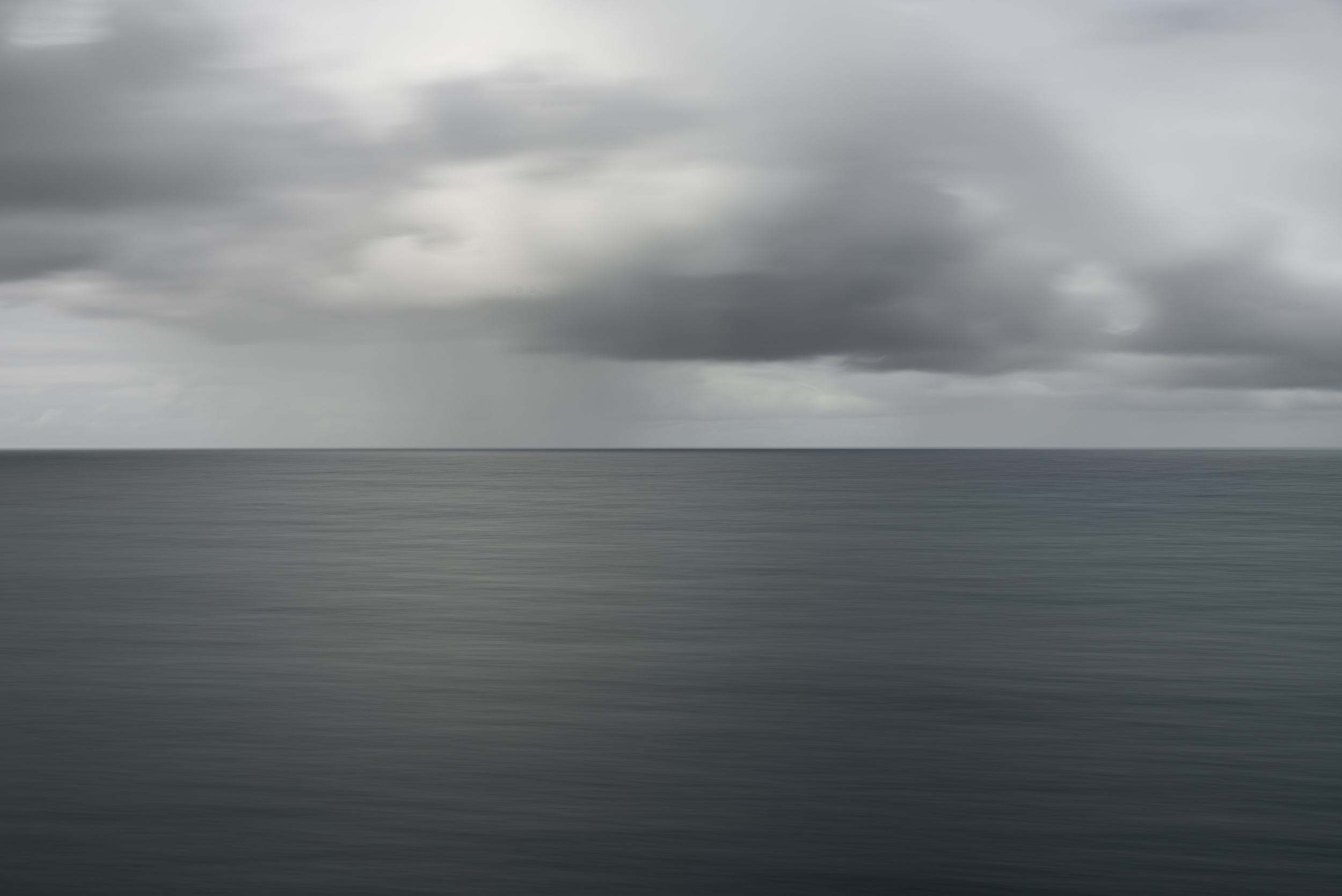
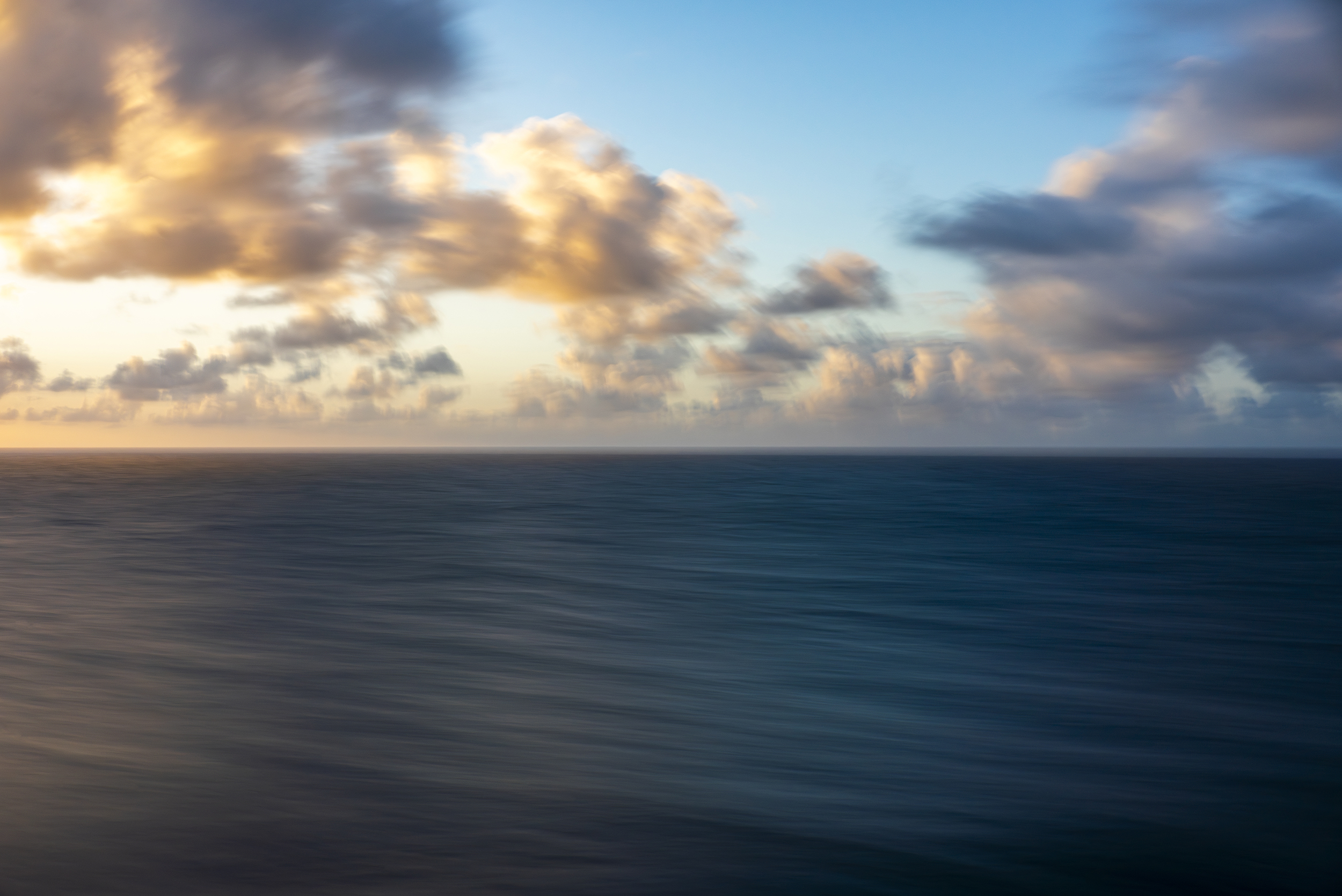
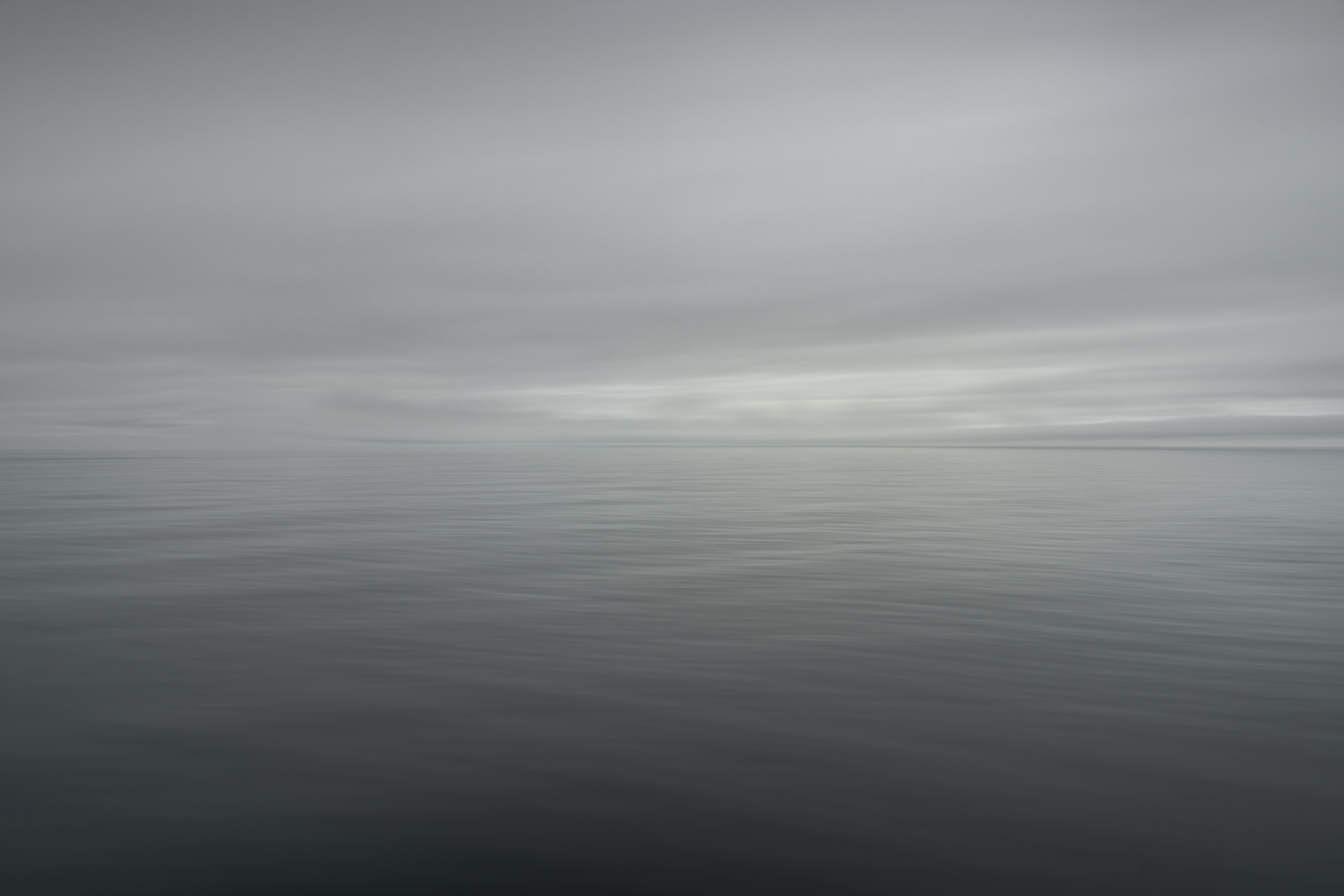
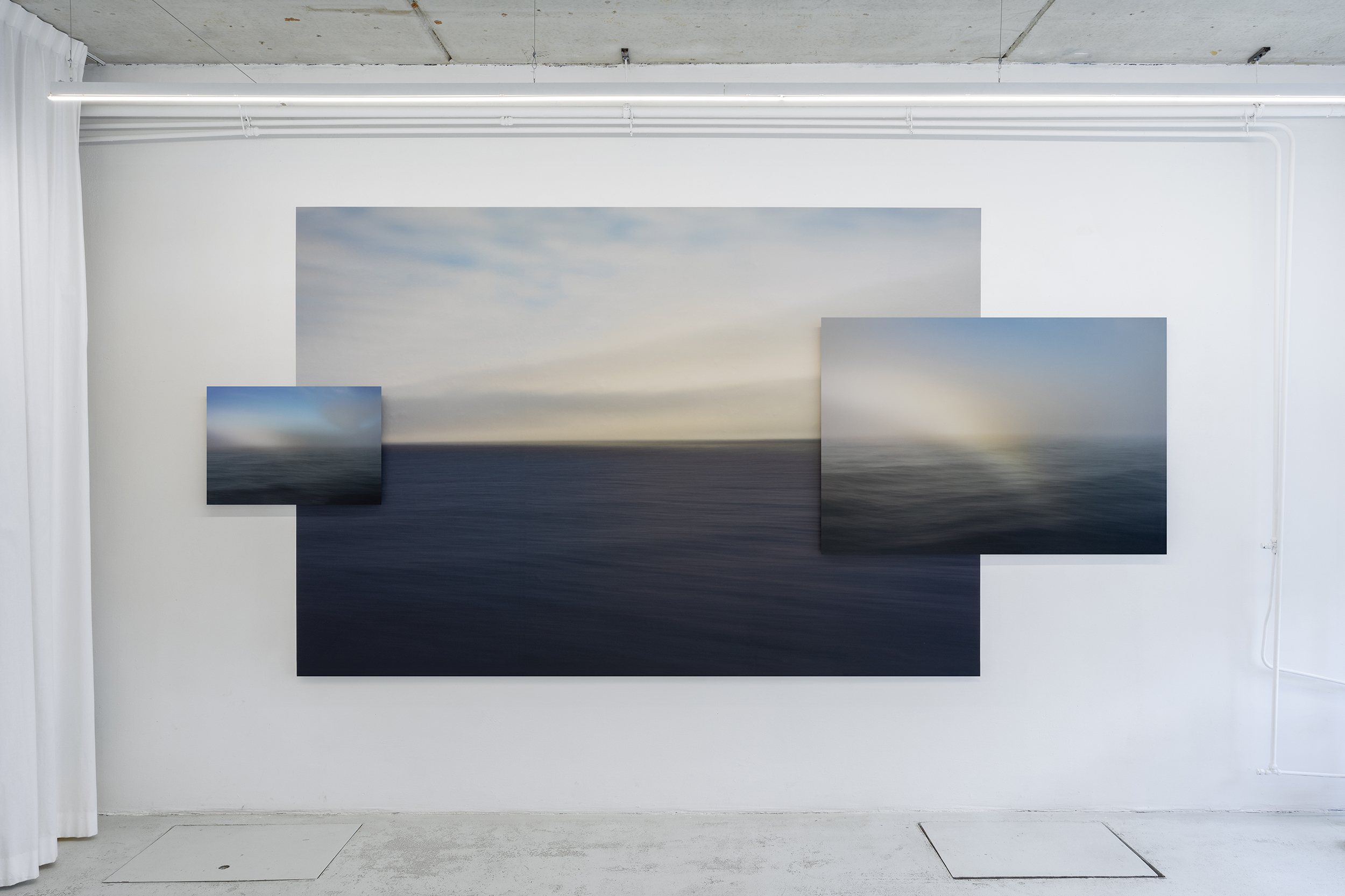
Hope – the endless ocean

Hope – the endless ocean
— Maarten Vromans

Artist Talk:

Sunday  March 30th

Maarten Vromans in conversation with Nesli Gül

14.00 – walk in
14.15 – start

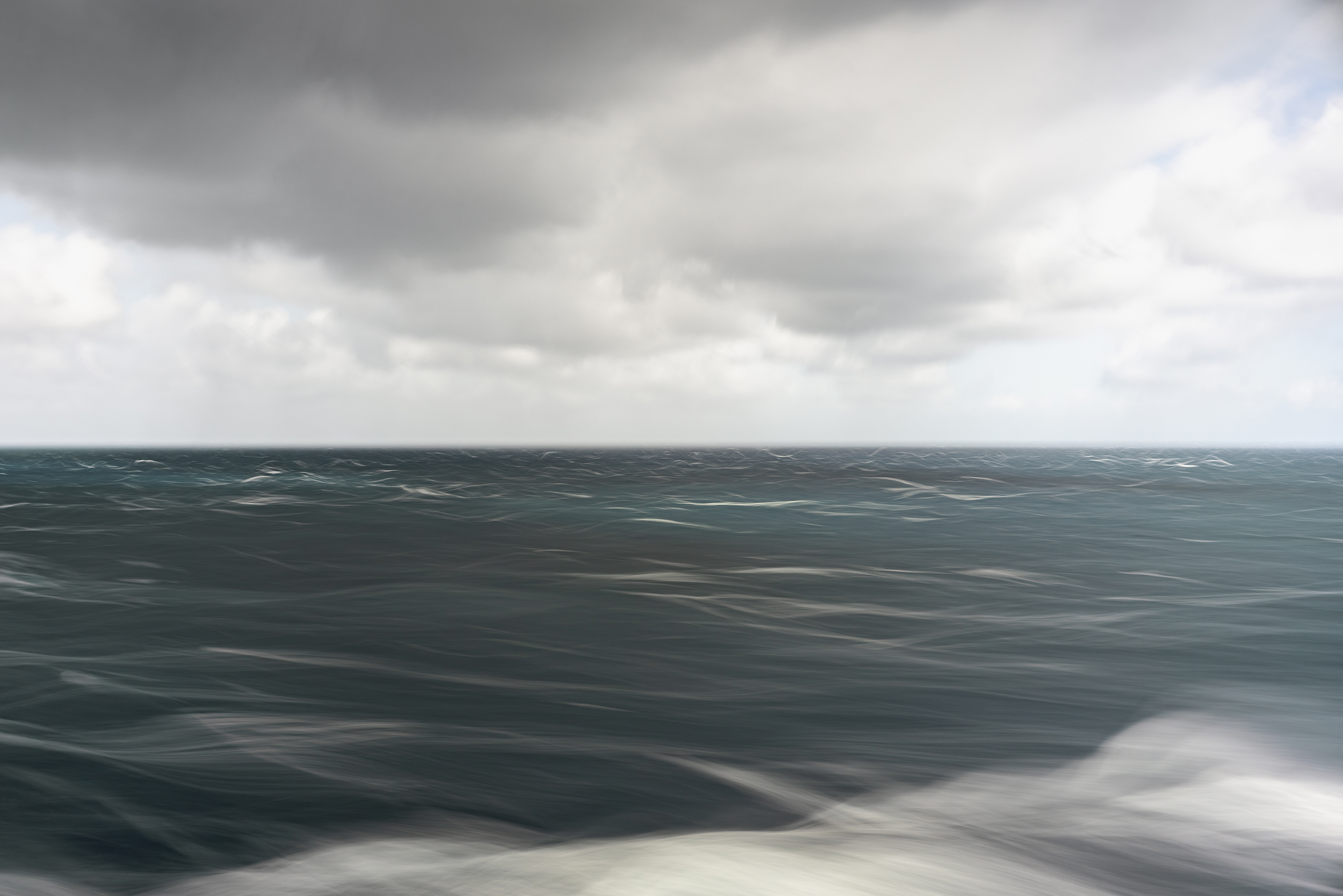
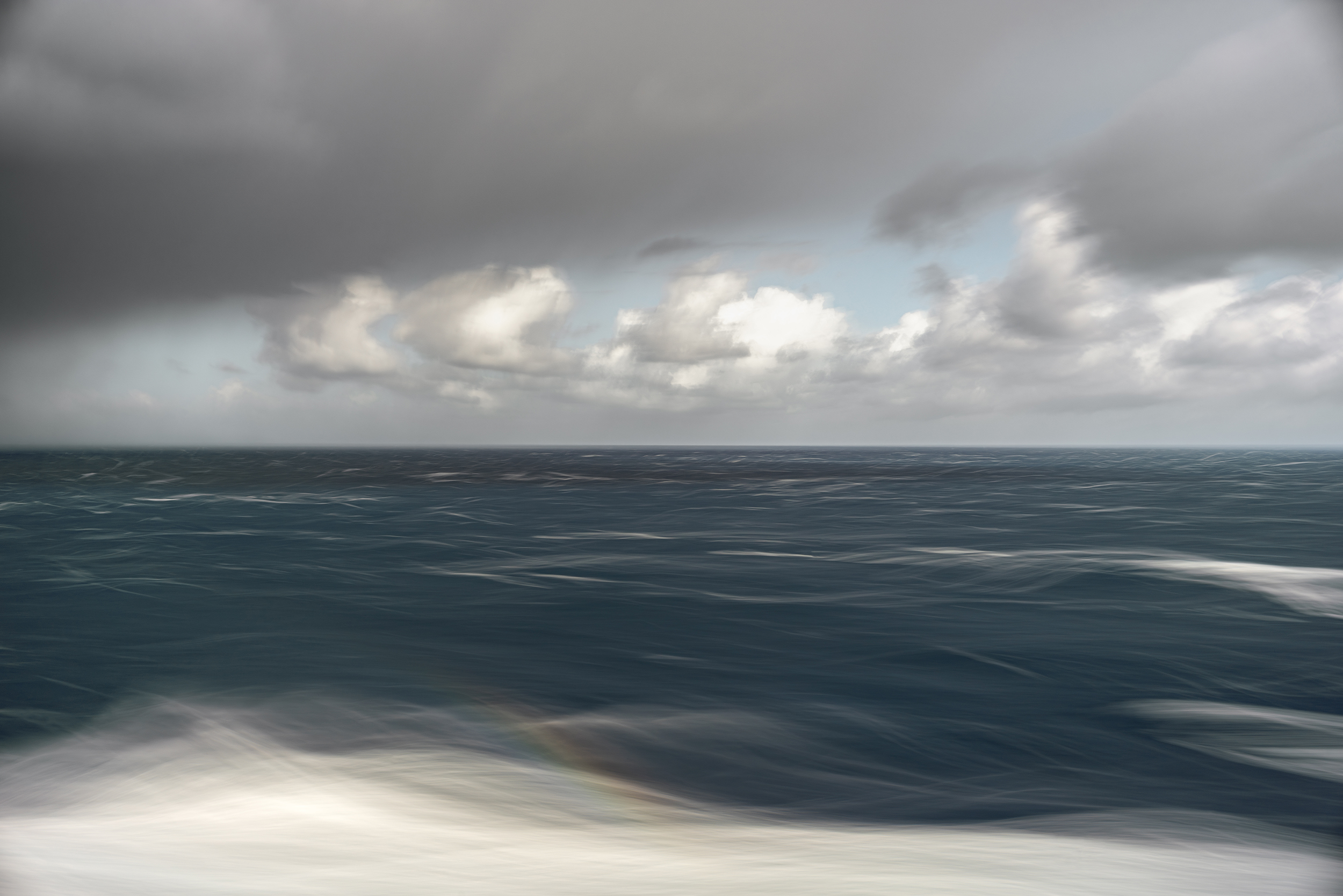
Dutch photographer Maarten Vromans (1975) debuts his latest project, Hope, in Rotterdam. In 2024 he crossed the Atlantic along the historic Europe-to-U.S. route.

During this voyage, he spent days photographing the horizon. He captured key moments of the day, such as the transition from sunlight to mist and rain, and the shift from color to shades of gray and black.
By traversing this immense body of water, Vromans hoped to really experience the physical distance between two continents. And, at the same time, to be connected to the rich history of the explorers, migrants and dreamers who had followed the same route. During the long and slow days on international waters, Vromans wanted to leave his daily routines behind and be fully in the moment to experience the contrasts of the ocean – endless and open, but also intimidating and unpredictable – for himself.

His aim was to evoke the universal emotions—ranging from melancholy and uncertainty to curiosity and hope—that have always accompanied people crossing vast oceans in search of a new life elsewhere.

Known for photographing transitional spaces, Vromans transforms overlooked landscapes into painterly, minimalist images. His abstract style pushes the boundaries of classic landscape photography, offering a timeless perspective on movement and change.

Hope is a meditation on nature, time, and the search for new beginnings. Vromans focuses specifically on transitional places: those temporary, often unnoticed areas where one setting gradually changes into another. He feels most at home in this no-man’s land, where human presence is absent, and nature comes to the fore. For him, these are the places where time seems to have a different pace and where he can relax as a photographer and a person.
GALLERY LOCATION

CLOSEST PARKING